

The growing interest in repurposing anti-parasite drugs for cancer is under supported – the evidence for any benefit is shockingly non-existent. ASCO 26 even issued a statement condemning their use. Despite this, awareness, on social media for ivermectin, fenbendazole and mebendazole skyrocketed further when Mel Gibson alleged, on the Joe Rogan podcast, that a friend with cancer benefited, although he offered no further details (Rockwell).
These drugs have saved thousands of people across the world infested with tape or pin worms (McLoughlin). More recently, their mechanisms of action attracted the attention of scientists after experiments involving cancer cells in petri dishes found they have anti-inflammatory actions and inhibited microtubule formation – which stopped cancer growth by disrupting cell division and promoting apoptosis (Guerini, Tang, Kaur, McLoughlin, Ishiguro). Chemotherapy drugs such paclitaxel and vincristine, have similar modes of action which implies a potential synergy (Rushworth). Other studies suggested they could block drug resistance and mechanisms which allow cancer cells to metastasize (Joe, Song).
Despite this encouraging laboratory data, however, evidence in humans is limited to anecdotal case reports and small studies which have shown no benefit and one even suggested patients did worse than expected – Here is a brief summary of this evidence:
Examples of some case reports
- A 48-year-old man with metastatic adrenocortical carcinoma with progressive disease (right adrenal gland and multiple liver metastases) after repeated surgeries, radiation, chemotherapy and biologicals treatments. After his treating physicians agreed to prescribe MBZ 100 mg twice a day, his liver metastases initially regressed and subsequently remained stable for 19 months, but then progressed – nevertheless a substantial clinical benefit (Dobrosotskaya).
- A 74-year-old patient with progressive metastatic colon cancer started MBZ 100 mg twice a day and after six weeks, a CT scan showed near complete remission of the metastases in the lungs and lymph nodes and a good partial remission in the liver. The patient experienced no adverse effects, but treatment was temporarily stopped for a transient elevation of liver enzymes and then reintroduced at half the dose. The disease remained stable at the time publication – 3.5 months after starting MBZ but there is no information what happened after that (Nygren)
Note: the problem with case reports is they cannot be substantiated and are rarely peer reviewed. Most oncologist have come across cases where the disease has spontaneously regressed. Also they don’t highlight the numbers of cases who have not had any benefits so the percentage likelihood of response remains unknown.
Observational trials:
- A prospective observational cohort of 197 patients took 25 mg of ivermectin, and 250 mg of mebendazole. Of the 62% who self-completed a questionnaire at 6 months, 84% felt there was a benefit and some had tumours responses or stable disease. The most important issue with this trial is that 28% were also on chemotherapy, 22% radiation and 20% had surgery – what’s more 78% embarked on other lifestyle and nutritional strategies supplements. In short, this trial offers no insight into any effectiveness of these anti-helminths (Hulscher).
- In another trial, 8 patients with refractory gastrointestinal cancer took mebendazole up to 4 g/day. At 8 weeks all had progressive disease, 4 experienced faster than expected hyper-progression (Mansoori).
Small non-randomised trials
- A Phase I/II trial (NCT05318469) combined ivermectin with immunotherapy in women with metastatic triple-negative breast cancer is ongoing but a interim analysis has been published. Among the first nine treated patients, 1 had stable disease, 6 had progressive disease, and 1 had partial response – more likely a result of the immunotherapy than the anti-helminth (Yuan)
- A phase I, maximum tolerable dose study in glioblastoma patients found that doses up to 200 mg/kg/day were well tolerated with minimal toxicity that was reversible upon dose reduction (Gallia).
- A phase II trial in glioblastoma patients gave MBZ 800 mg three times a day to all patients then randomised two difference chemotherapy regimens (temozolamide or lomustine) – At 9 months 60% of participants had died – about that expected in a similar cohort of patients with this disease. There was no significant difference between the groups and even if there was, this trial would have provided no information whether MBZ would have influenced the chance of response or not (Menon)
Ongoing trials
A phase 1/11 study is to start in July 2026 with the aim to recruit 80 patients. research from Florida feel it will provide information on the safety, pharmacodynamic effects, and potential for dose-responsive immune modulation of ivermectin given concurrently with immune checkpoint inhibitor therapy in adult subjects with solid tumours. (NCT07487805)
Safety
In conventional doses, toxicity is low but people looking to use these drugs to fight their cancers are using dose very much higher than levels recommended for parasites. At these doses liver toxicity, myelosuppression and even seizures are more common. Drug interactions are a concern especially a serious skin reaction when MBZ is taken with the antibiotic metronidazole
In conclusion
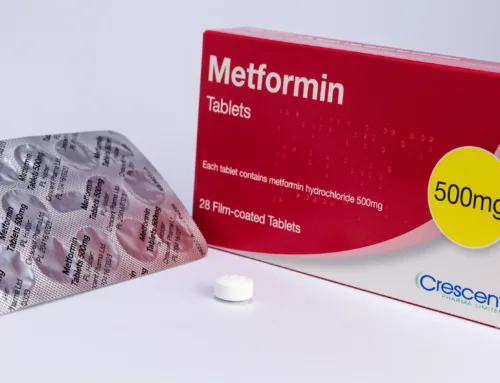
Repurposing already-approved medications has its attraction as they are already available. Ivermectin and MBZ are licenced in humans, fenbendazole (benzimidazole) only in animals. Albendazole, licensed in the USA but not UK, is particularly good for treating brain parasites as it’s better oral absorption and crosses the blood brain barrier hence its interest for patients with gliomas (Guerini). Sadly, despite the laboratory data, outside some unsubstantiated case reports there is not even a suggestion they have any impact on disease progression.
On a personal note, unfortunately, I have not seen a single response in any patients I have managed who have self-medicated with anti-helminths. More concerningly, I have seen some patients getting worse than expected outcomes who have taken these along-side conventional treatments. On the other hand, Chris Woollams, a keen anti-parasite prescriber, when asked, he quoted that over the years he has seen 5 better than expected control rates but this was in addition to other dietary and lifestyle advice.
In my opinion, more robust clinical trials are needed before anti-helminths can be recommended routinely, but no such trials are on the horizons. I suggest patients should save their money and concentrate on exercise, gut health, lifestyle other nutritional interventions which have more proven benefits to enhance quality of life, and work with systemic treatments to get the best chance of response.
In the meantime, if any readers of this article have a different experience with repurposing these drugs I would be very interested to hear from you.
By: Professor Robert Thomas
Head of Integrative Oncology UCLH
Oncologist Bedford & Addenbrooke’s Cambridge University Hospitals
References
- Rockwell MS, Kahn KL, Fendrick AM, Vangala S, Mafi JN. Ivermectin-Benzimidazole Prescribing Following Celebrity Endorsement. JAMA Netw Open.2026;9(5):e2616780. doi:10.1001/jamanetworkopen.2026.16780
- Nygren P, Larsson R. Drug repositioning from bench to bedside: tumour remission by the antihelmintic drug mebendazole in refractory metastatic colon cancer. Acta Oncol. 2014 Mar;53(3):427-8. doi: 10.3109/0284186X.2013.844359.
- Guerini, Andrea Emanuele, et al. “Mebendazole as a Candidate for Drug Repurposing in Oncology: An Extensive Review of Current Literature.” Cancers, 2019; 11, 9, 1, p. 1284, www.mdpi.com/2072-6694/11/9/1284,
- Mansoori, S., Fryknäs, M., Alvfors, C. et al.A phase 2a clinical study on the safety and efficacy of individualized dosed mebendazole in patients with advanced gastrointestinal cancer. Sci Rep 11, 8981 (2021).
- Tang, Jie-Yu, and Yun-Xi Peng. “USP5 Binds and Stabilizes EphA2 to Increase Nasopharyngeal Carcinoma Radioresistance.” International Journal of Biological Sciences, 21, 3, 2025, pp. 893–909, ncbi.nlm.nih.gov/39897046/
- McLoughlin, Evan C., and Niamh M. O’Boyle. “Colchicine-Binding Site Inhibitors from Chemistry to Clinic: A Review. Pharmaceuticals 2020, 13,1, 1 8, , www.mdpi.com/1424-8247/13/1/8.
- Yuan Y et al https://ascopubs.org/doi/10.1200/JCO.2025.43.16_suppl.e13146
- Zhang, Jie, and Yanyan Cui. “Synergistic Inhibition of Proliferation and Induction of Apoptosis in Oral Tongue Squamous Cell Carcinoma by Mebendazole and Paclitaxel via PI3K/AKT Pathway Mitigation.” Naunyn-Schmiedeberg’s Archives of Pharmacology, 398, no. 5, 30 2024, pp. 5881–5893, https://doi.org/10.1007/s00210-024-03670-y
- Rushworth, Linda K., et al. “Repurposing Screen Identifies Mebendazole as a Clinical Candidate to Synergise with Docetaxel for Prostate Cancer Treatment.” British Journal of Cancer, vol. 122, no. 4, 17 2019, pp. 517–527, https://doi.org/10.1038/s41416-019-0681-5.
- Joe, Natalie, and Inês Godet. “Mebendazole Prevents Distant Organ Metastases in Part by Decreasing ITGβ4 Expression and Cancer Stemness.” Breast Cancer Research, 24, 1, 28 2022, https://doi.org/10.1186/s13058-022-01591-3.
- Dobrosotskaya, Irina Y., et al. “Mebendazole Monotherapy and Long-Term Disease Control in Metastatic Adrenocortical Carcinoma.” Endocrine Practice, 17. 3, 1 2011, pp. e59 e62, www.sciencedirect.com/science/article/abs/pii/S1530891X20404434.
- Gallia, G L, et al. “Mebendazole and Temozolomide in Patients with Newly Diagnosed High-Grade Gliomas: A Phase 1 Clinical Trial.” Neuro-Oncology Advances, vol. 3, 1, 1 2021, https://doi.org/10.1093/noajnl/vdaa154..
- Menon N et al. “Mebendazole in Recurrent Glioblastoma: Results of a Phase 2 Randomized Study.” Journal of Clinical Oncology, 40, 16_suppl, 1 2022, 2029–29, https://doi.org/10.1200/jco.2022.40.16_suppl.2029.
- Song, Bomi, et al. “Repurposing of Benzimidazole Anthelmintic Drugs as Cancer Therapeutics.” Cancers, vol. 14, no. 19, 22 Sept. 2022, p. 4601, https://doi.org/10.3390/cancers14194601.
- Meco, Daniela, et al. “Emerging Perspectives on the Antiparasitic Mebendazole as a Repurposed Drug for the Treatment of Brain Cancers.” International Journal of Molecular Sciences, vol. 24, no. 2, 10 Jan. 2023,.1334, www.ncbi.nlm.nih.gov/pmc/articles/PMC9862092/.
- Tang, Mingyang, et al. “Ivermectin, a Potential Anticancer Drug Derived from an Antiparasitic Drug.” Pharmacological Research, vol. 163, 1 Jan. 2021, p. 105207, www.ncbi.nlm.nih.gov/pmc/articles/PMC7505114/.
- Kaur, Baneet, et al. “Ivermectin: A Multifaceted Drug with a Potential beyond Anti-Parasitic Therapy.” Curēus, 12 Mar. 2024, www.ncbi.nlm.nih.gov/pmc/articles/PMC11008553/,
- Yeon Jin Kwon, et al. “Selective Inhibition of SIN3 Corepressor with Avermectins as a Novel Therapeutic Strategy in Triple-Negative Breast Cancer.” Molecular Cancer Therapeutics, vol. 14, no. 8, 1 Aug. 2015, pp. 1824–1836, https://doi.org/10.1158/1535-7163.mct-14-0980-t.
- Ishiguro, Tatsuaki, et al. “Synergistic Anti-Tumor Effect of Dichloroacetate and Ivermectin.” Cureus, 3 Feb. 2022, https://doi.org/10.7759/cureus.21884.
- Hulscher N, et al. Real-world Clinical Outcomes of Ivermectin and Mebendazole in Cancer Patients: Results from a Prospective Observational Cohort. Anticancer Res. 2026;46(6):3243-3255. doi: 10.21873/anticanres.18194.
- https://clinicaltrials.gov/study/NCT07487805


Leave A Comment