
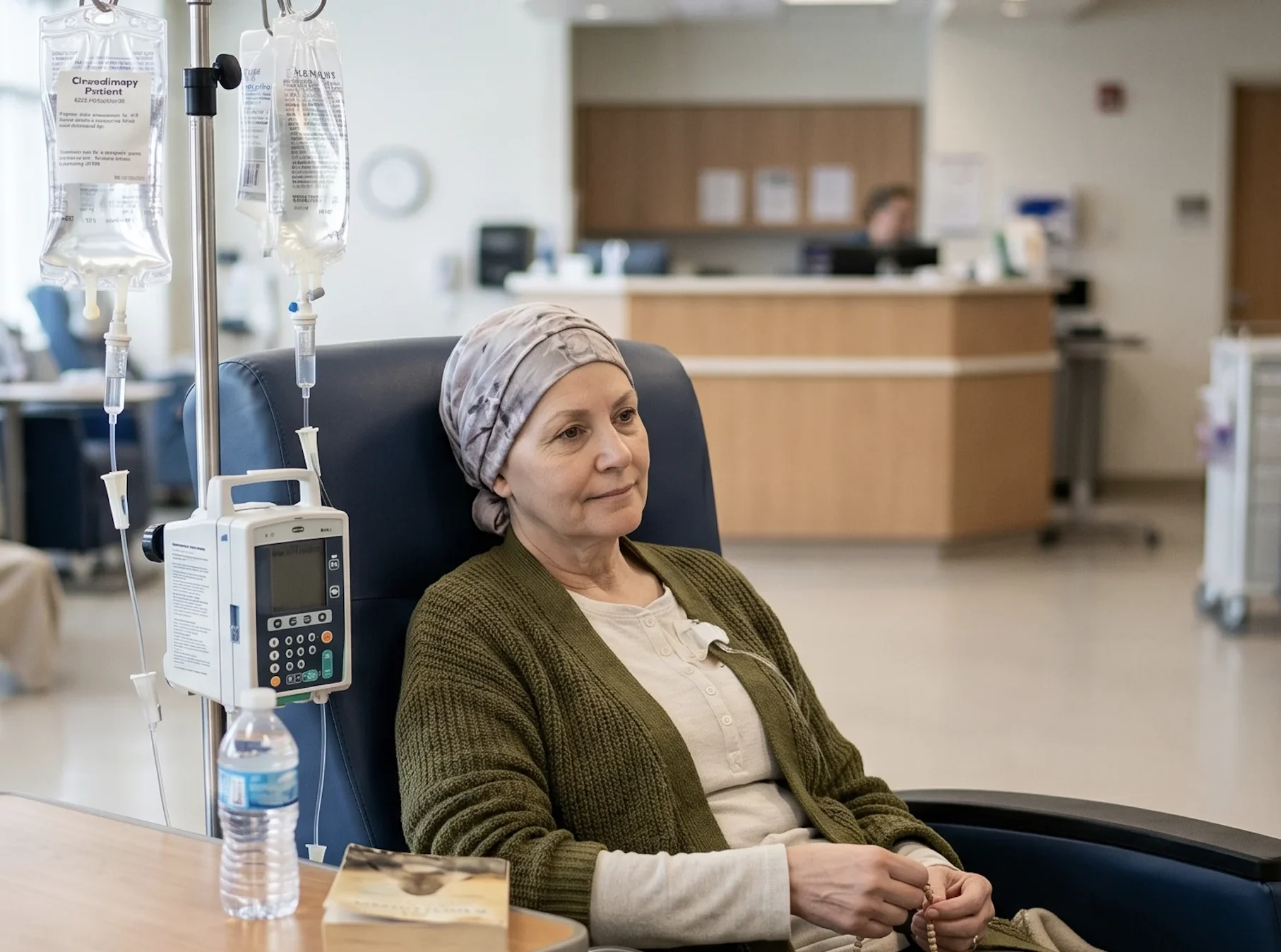
Careful fasting with chemotherapy could reduce toxicity and improve response rates. Evidnece until recently came from laboratory and small clinical studies, but now a robust scientific study, presented at ASCO 26, has confirmed significant survival benefits in humans adding more weight to supporting fasting in routine clinical practice (de Groot, Cortellino, Pereira).
This well designed Randomised Control Trial, evaluated the additional impact of fasting in women with newly diagnosed ovarian cancer. It defined fasting as calorie restriction the day before and after each cycle of chemo (~ 350 kcal). Women had to be >20 kg/m² without diabetes, and could consume unrestricted amounts of water and herbal tea, up to 2 litres of vegetable juice, and small amounts of light vegetable broth. Between chemo sessions, they ate regularly. After 3 cycles of neoadjuvant chemo, in the fasting group, mean insulin levels where statistically lower, pathologic near complete response (at subsequent surgery) were higher (60% v 20%). Most convincingly, after 18 months, progression-free survival was significantly greater – 38 vs 24 months (Marchetti).
They did not report any differences in toxicity but fasting was deemed safe and well tolerated. Previously other small humans studies (n=10) have report that fasting the day before and after chemo improved tolerance to treatment – less fatigue, weakness, and nausea [Dorff]. Another small RCT (n=13) reported that platelets and red cells (haemoglobin) were statistically higher in the fasting group [de Groot].
Previous fasting trials
- A small previous phase II (NCT03340935) that evaluated 14 patients with Triple Negative Breast cancer (TNBC). The researchers felt patients who fasted had better survival compared to historical controls of women from the same Institute who had chemo alone – 30.3 vs 17.2 months (Ligorio)
- A study published in 2020 (NCT02126449) in which 131 patients with HER2 -ve breast cancer were randomised to FMD or normal diets during neoadjuvant chemotherapy. Patients using FMD had better radiologically and pathological complete or partial response and less DNA damage for T-lymphocytes (de Groot).
Why could fasting help chemotherapy
Fasting reduces circulating glucose, insulin and IGF-1 levels which, in normal cells, diverting energy from growth to maintenance ultimately slowing their proliferation, and protecting them from chemotherapy (Sun). Conversely, cancer cells continue to expend energy while starving as they are unable to slow down their growth pattern, continue to divide and thus become more exposed to the cytotoxic effects of treatments, especially if chemotherapy dose intensity is maintained or even increased in view of reduced toxicity. Some researchers have termed this phenomenon as “Differential Stress Resistance (DSR). Additionally, fasting has been shown to enhance the body’s stress resistance, reduce leptin, and increase the expression of pro-apoptotic markers such as caspase-3, while simultaneously reducing inflammatory mediators all of which helps promote autophagy, and possibly make cancer cells more vulnerable to standard treatments. Fasting may also help some patients avoid unwelcomed weight gain, and provide a sense of self control and empowerment [Thomas].
 Potential risks of longer term fasting
Prolonged fasting can lead to nutrient deficiencies such as mineral, vitamin and most relevant for those on chemotherapy phytochemical rich foods. In the longer term, outside chemotherapy the strongest evidence is for 13 hours of overnight fasting. This was found to beneficial in one notable study, which reported a reduced risk of cancer relapse, lower markers of diabetes and inflammation (Marinac). A brisk walk before breakfast would physiologically extend the fast even longer, and help with circadian rhythm and sleep.
More prolonged fasting is not necessary and in some cases can be counter-productive. Prolonged fasting can trigger a stress response that increases cortisol levels. High cortisol can inadvertently fuel inflammation which promotes cancer growth. Stress has particularly been shown to have negative outcomes in cancer patients and ongoing studies are evaluating the role for adjuvant anti-stress drugs such as propanolol. Prolonged fasting for underweight patients also risks of nutritional deficiencies such as malnutrition, immune suppression, and muscle wasting (cachexia), which can ultimately diminish a patient’s capacity to tolerate crucial, life-saving oncology treatments. Research in mice shows that prolonged fasting can prompt TNBC cells to activate survival networks (such as the PI3K-AKT, mTOR, and CDK4/6 pathways), potentially allowing the cancer cells to adapt and potentially grow, although this has not been substantiated in humans (Salvadori)
For patients with tumours which carry a BRAF mutation marked fasting to a level which increases acetoacetate levels, a ketone body produced when the body breaks down fat, has been found to accelerate tumour growth (Xia).
What could safely enhance the Different Stress Response (DSR)
 Short term fasting is very safe but some studies have reported minor complaints during fasting of dizziness, hunger, headaches at a level that did not interfere with daily activities and weight loss which was rapidly recovered [Saftie]. It would not be sensible to support fasting in patients with sarcopenia or cachexia, have eating disorders, diabetes, or low body mass index (20 Kg/m2). Experts such as Professor Longo are now advocating Fasting Mimicking Diets (FMD) as opposed to prolonged fasting – this involves reduced calories especially from sugars and processed foods, increasing exercise and dietary phytochemicals.
Exercise produce similar biochemical effects and they are certainly synergistic. Exercise supports fasting by accelerating the depletion of glycogen (stored carbohydrates), which forces your body to switch to burning fat for fuel more quickly. This synergy boosts weight loss, improves insulin sensitivity, and stimulates the production of hormones like Human Growth Hormone (HGH). Exercising on an empty stomach biologically extends the fast but also encourages muscle formation and has numerous other beneficial properties (Thomas). FMD cycles also preventd hyperglycemia and other toxicities caused by many oncology drugs and the steroids often given to support them.
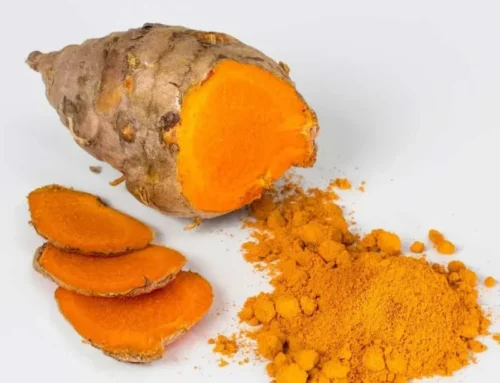
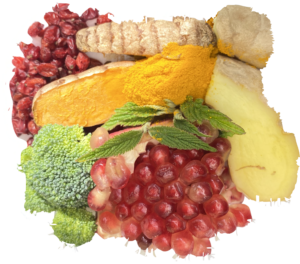 Phytochemicals can slow glucose absorption, reducing insulin resistance reduce excess inflammation, similar to short term calorie restriction which makes them a good choice to support fasting mimicking (Lee). There have been some concerns they may interfere with oncology treatments, considering their antioxidant properties. They, however, mainly enhance the production of antioxidant enzymes, rather than having a direct effect on free radical absorption, unlike other nutrients such as The primary antioxidants that could preventing free radicals killing cancer cells are the vitamins (A, E, beta-carotene, and coenzyme Q10 and there is some evidence that these could interfer with treatments so should be avoided unless correcting a known deficiency (Woldeselassie, Thomas). That said, most chemotherapy agents exert their anticancer effects in ways that do not involve the free radicals. Phytochemicals reduce damage to normal tissues by enhancing repair and reducing inflammation yet increase the anti-cancer effect by encouraging cancer cell apoptosis and autophagy, inhibiting de-differentiation, loss of cell adhesion, and metastasis [Thomas]. It is not surprising, then, that several studies have actually found they enhance the cytotoxic effects of chemotherapy, rather than impede it. For example, a two-fold greater anticancer efficacy of intravenous curcumin and docetaxol, a chemotherapy drug, compared with docetaxol alone, was reported in a transplanted xenograft mouse model of lung cancer, without an increase in damage to normal tissue [Yin]. This was confirmed in another study involving prostate cell lines which showed the combined treatment of curcumin and docetaxel inhibited the proliferation and induced apoptosis significantly higher than the docetaxel-treated group alone [Banerjee]. Curcumin has also been found to enhance the effectiveness of cisplatin, by helping to reduce cell proliferation in an in vitro laryngeal carcinoma cancer stem cell model [Zhang]. Another study showed it helped to overcome cisplatin resistance through STAT3 inhibition [Selvendiran]. Beetroot extract both promoted apoptosis of breast cancer cells after exposure of the cells to doxorubicin, yet protected normal cardiomyocytes, or heart muscle cells, from the toxic effects of doxorubicin [Das].
Although resveratrol, found in grapes, berries and, most famously, red wine, in several in vitro and in vivo studies reported it helped can reverse multidrug resistance in cancer cells, and, when used in combination with clinically used drugs, it can sensitize cancer cells to standard chemotherapeutic agents Not all laboratory studies have shown the same positive effect on chemotherapy. One study in cell lines suggested high dose resveratrol interfered with paclitaxel [Fukui] and another cell line study suggested high levels of curcumin affected apoptosis [Somasundaram].
There is limited data in humans. One study involving women with metastatic breast cancer concluded adding turmeric to taxanes was well tolerated [Bayet-Robert]. Another small a non-randomised study, presented at ASCO 2018 compared 35 women on chemotherapy who had also received vitamin C and curcuminoids with matched controls on chemotherapy. They found no significant difference in short-term efficacy between the two groups, and a trend towards prolong PFS and OS of patients with late stage triple-negative breast cancer [Ou]. A phase II trial, involving 30 men with hormone resistant metastatic prostate cancer gave 6g of curcuminoids with standard dose docetaxel. They concluded this combination was well tolerated and the response rate was better than expected (Mahammedi).
Other fasting mimickers – Given the nutritional concerns of fasting and chemotherapy, interest has arising in manoeuvres which may trigger similar biochemical pathways, such as those which reduce blood sugar, tumour-associated inflammation or increase metabolic stress in the cancer cell. These including exercise, weight reduction programmes, and in the research setting, fasting mimickers such as everolimus, metformin, and possibly hydroxycitrate.
Effects of dexamethasone: Corticosteroids are frequently administered before and shortly after chemotherapy as they are very effective for anti-emesis and dampening of hypersensitivity reactions. The metabolic effects of steroids, however, are likely to significantly affect the influence of fasting as it raises blood glucose and insulin levels. Most of the studies summarised above do not mention steroids but most would have had them prescribed especially those containing taxanes. As a general rule it would be better to reduce the dose of dexamethasone after the second cycle if nausea or an allergic reaction has not occurred.
In conclusion
The growing evidence that fasting helps chemotherapy is interesting. However, the application of fasting as a sole treatment for cancer lacks substantial clinical validation. It is unlikely to help if the tumour is resistant to the choice of drugs but could enhance the response if it is already working. Some studies are suggesting fasting could increase efficacy of other cancer treatments such as the targeted kinase inhibitors, and immunotherapies [Caffa]. Instead of prolonged fasting, fasting mimicking seems to be the most practical, effective and is safer.
Ongoing research will help to establish the duration and form of fasting mimicking but a reasonable regimen, based on the existing evidence here is my suggestion for a sensible FMD plus chemotherapy regimen for the day before, the day of, and the day after intravenous chemotherapy based on the existing literature:
A suggested 3 day FMD and chemotherapy regimen (day -1 to +1)
Carbs/sugar:
- Avoid processed sugar or processed carbohydrates such as bread, pasta or white rice – swap for slow release sources such as nuts and pumpkin seeds
- Measuring calories is not really necessary, but for those who like to do this aim for about 1200 kcal – about 50% of the normal intake for women or (60% for men)
- Try not to snack between meals
- Try not to eat food after 6.30pm – just have herbal teas or water
Phytochemical rich foods:
- Eat plenty of phytochemical rich foods – herbs, berries, mushrooms, spices, vegetables.
- Consider some juiced celery, spinach or other vegetables to taste
- Avoid any supplements with Vitamin A, E co-enzyme Q10, very strong herb extracts or extracted single phytochemicals – or a well-designed broad spectrum whole foods phytochemical rich supplement such as Yourphyto or equivalent is acceptable.
Proteins:
- Don’t substitute carbs with protein but continue to have some protein such as quinoa, lentils or fish
Fluids:
- Drink plenty of fluids e.g. water, tea, vegetable broth (Approx; 2 litres a day)
- Avoid juices or smoothies made with fruit
- Avoid drinks with artificial sweeteners
Exercise:
- Aim for at least an hour of moderate exercise to level which gets you breathless and sweaty
- Stay mobile at other times and avoid sitting or lying for long periods
Day of chemotherapy is limited by logistical factors such as getting to the chemo suite, the time and length of chemotherapy. Most FMD’s recommend reducing calories to about 500 kcal – about 75% of the normal intake for women or 80% for men. Ginger is an excellent natural anti-nausea so consider juicing some fresh ginger with pinch of turmeric and a squeeze of lemon. It may be difficult exercise before chemotherapy but if you can try to get 30 mins of exercise such as a brisk walk before a light breakfast.
REFERENCES
Pereira IC, et al. Fasting-mimicking diets as a strategy to reprogram tumor metabolism: a systematic review. Eur J Nutr. 2026 12;65(2):44. doi: 10.1007/s00394-026-03891-2.
Marinac CR et al . Prolonged Nightly Fasting and Breast Cancer Prognosis. JAMA Oncol. 2016 Aug 1;2(8):1049-55. doi: 10.1001/jamaoncol.2016.0164.
Xia S, et al Prevention of Dietary-Fat-Fueled Ketogenesis Attenuates BRAF V600E Tumor Growth. Cell Metab. 2017 Feb 7;25(2):358-373. doi: 10.1016/j.cmet.2016.12.010.
de Groot, S., Lugtenberg, R.T., Cohen, D. et al. Fasting mimicking diet as an adjunct to neoadjuvant chemotherapy for breast cancer in the multicentre randomized phase 2 DIRECT trial. Nat Commun 11, 3083 (2020). https://doi.org/10.1038/s41467-020-16138-3
Cortellino S, Longo V et al. Fasting renders immunotherapy effective against low-immunogenic breast cancer while reducing side effects. Cell Rep. 2022 Aug 23;40(8):111256. doi: 10.1016/j.celrep.2022.111256.
Marcehetti et al 2026 Short-Term Fasting Around Chemotherapy May Improve Treatment Response in Ovarian Cancer https://ascopost.com/news/may-2026/short-term-fasting-around-chemotherapy-may-improve-treatment-response-in-ovarian-cancer/
Lee J, et al. Adaptive cellular stress pathways as therapeutic targets of dietary phytochemicals: focus on the nervous system. Pharmacol Rev. 2014 Jul;66(3):815-68. doi: 10.1124/pr.113.007757.
Ligorio F, et al. Adding fasting-mimicking diet to first-line carboplatin-based chemotherapy is associated with better overall survival in advanced triple-negative breast cancer patients. Int J Cancer. 2024 Jan 1;154(1):114-123. doi: 10.1002/ijc.34701.
Ko JH, et al. The Role of Resveratrol in Cancer Therapy. Int J Mol Sci. 2017 Dec 1;18(12):2589. doi: 10.3390/ijms18122589.
Woldeselassie M, Tamene A. Therapeutic controversies over use of antioxidant supplements during cancer treatment: a scoping review. Front Nutr. 2024 Dec 9;11:1480780. doi: 10.3389/fnut.2024.1480780.
Thomas RJ, Kenfield SA, Jimenez A. Exercise-induced biochemical changes and their potential influence on cancer: a scientific review British Journal of Sports Medicine 2017;51:640-644.
Salvadori G, and Longo VD. Fasting-mimicking diet blocks triple-negative breast cancer and cancer stem cell escape. Cell Metab. 2021 2;33(11):2247-59.e6. doi: 10.1016/j.cmet.2021.10.008.
Banerjee S et al Combinatorial effect of curcumin with docetaxel modulates apoptotic and cell survival molecules in prostate cancer. 2017 Front Biosci, ;(9);235
Bayet-Robert M et al: Phase I dose escalation trial of docetaxel plus curcumin in patients with advanced and metastatic breast cancer. Cancer Biol Ther 9:8-14, 2010
Caffa I et al. fasting potentiates the anticancer activity of tyrosine kinase by strengthening MAPK inhibition. Oncotarget 2015; 6 (14).
deGroot S et al. The effects of short term fasting on tolerance to neoadjuvant chemotherapy: a randomized trial. Biomedical central (BMC) 2015; 15:652
Das S, et al (2013) Beetroot juice promotes apoptosis in oncogenic MDA-MB-231 cells while protecting cardiomyocytes under doxorubicin treatment. JESS 2: 1-6.
Dorff TB, et al. Safety and feasibility of fasting in combination with platinum-based chemotherapy. BMC Cancer. 2016;16:360
Fukui M et al Resveratrol Attenuates the Anticancer Efficacy of Paclitaxel in Human Breast Cancer Cells In Vitro and In Vivo. Eur J Can 2010, 46(10):1882
Mahammedi H et al. Docetaxel and curcuminoids (CCM) combination in patients with castration-resistant prostate cancer (CRPC): A phase II study. Oncology 2016;90(2):69-78
Ou J et al. A retrospective study of curcumin in combination with intravenous vitamin C (IVC) on triple negative breast cancer(TNBC). Clinical Oncology 2018 36, e13118J
O’Fanagan C et al When less may be more: calorie restriction and response to cancer therapy BMC 2107; 15 (106).
Selvendiran K, et al: a curcumin analogue, sensitizes cisplatin-resistant ovarian carcinoma, leading to therapeutic synergy through STAT3 inhibition. Cancer Biol Ther 12:837-845, 2011
Somasundaram S , et al: Dietary curcumin inhibits chemotherapy-induced apoptosis in models of human breast cancer. Cancer Res 62:3868-3875, 2002.
Sun L et al Effect of fasting during chemotherapy: a systemic review. Translational Cancer Research. 2017;6(2).
Safdie FM, Dorff T, Quinn D, et al. Fasting and cancer treatment in humans: a case series report. Aging (Albany NY). 2009;1(12).
Thomas R et al Phytochemicals in cancer prevention and management? BJMP 2015; 8 (2);78.
Thomas R et Exercise-induced biochemical changes and their potential influence on cancer: a scientific review. British Journal of Sports Medicine 2017;51:640-644.
Thomas R et al Phytochemicals in Cancer Management. Current Research in Compl and Alt therapy 2017; 105, 01.
Qiao Q et al: Curcumin improves the antitumor effect of X-ray irradiation by blocking the NF-kappaB pathway: An in-vitro study of lymphoma. Anticancer Drugs 23:597-605, 2012.
Yin H, et al. Synergistic anti-tumor efficiency of docetaxel and curcumin against lung cancer. Acta Biochimicaet Biophysica Sinica (2012) 44: 147-153.
Yu CX, Zhang PJ, Chen WW, Jiang AL, et al. (2007) Curcumin downregulates homeobox gene NKX3.1 in prostate cancer cell LNCaP. Acta Pharmacologica Sinica 28: 423-430.
Zhang H et al. Curcumin enhances the effectiveness of cisplatin by suppressing cancer stem cells in laryngeal carcinoma treatment. Exp Ther Med. 2013;6(5):1317-21 1321.
Leave A Comment