

Facts: Some women with Breast Cancer are incorrectly advised to avoid this golden spice – missing out on it wonderful health benefits – This page summarises why this advice is misplaced and highlights the multiple health benefits behind curcumin, the yellow dye which makes up about 5% of whole turmeric root [1].
This phytochemical helps to reduce excess inflammation, improve antioxidant pathways and boost gut flora, which explains why intake of this and other phytochemical rich foods is linked to lower cancer development, progression and recurrence rates [2,3,4].  Laboratory studies have shown that turmeric helps breast cancer by reducing resistance to tamoxifen [5,6]. It also relieves joint stiffness, a common menopausal symptom, but also restores joint cartilage integrity by damping down excess matrix metalloproteinase and anti-apoptotic effects on chondrocytes [7,8]
A study from Japan involving women experiencing menopausal symptoms after cancer reported that those given a turmeric containing supplement such as YourPhyto reported a 25% improvement in mood and hot flushes [9].
So why are so many women told to avoid turmeric?
 This misconception was based on one non-randomised clinical trial from Holland involving just 16 patients, published in 2018 [10]. Researchers gave women, on tamoxifen, very high dose curcumin and they found a 5-10% reduction in the active metabolite of tamoxifen called endoxifen in the blood, depending on their genetic makeup. They inappropriately concluded that women with breast cancer should avoid turmeric and to make matters worse, this has been parroted by breast cancer support groups the World over. By giving this advice, women are being denied the multiple benefits of this amazing herb. Here are the reasons the conclusions of this trial were misleading:
- The trial gave women a whopping 3600mg of curcumin – That is equivalent to 72g of turmeric – nobody in their right mind would be able to eat that much in a day. What’s more they a gave it with high doses peperine, which can directly interfere with tamoxifen metabolism and enhance curcumin levels further. Extrapolating these data to sensible levels of turmeric intake is scientifically inappropriate
- There is no evidence that a 10% reduction in tamoxifen will reduce its effectiveness. In fact, some studies have shown clinical benefits of tamoxifen at much lower doses [10]
- The trial did not look at tamoxifen effectiveness – The beneficial anticancer effects of turmeric are more than likely to counter balance any small reduction in blood levels.
It should also be noted that, despite confusion amoung women, this data only applies to tamoxifen not aromatase inhibitors such as letrozole. If there is any take home message from this this tiny, uncontrolled trial it would be that women on tamoxifen should avoid peperine containing supplements and massive doses of extracted curcumin. It is very clear that dietary turmeric, or even supplements which contain whole turmeric are unlikely to have any effect on tamoxifen levels and especially those which combine with other phytochemical rich foods are likely to have numerous potential beneficial properties.
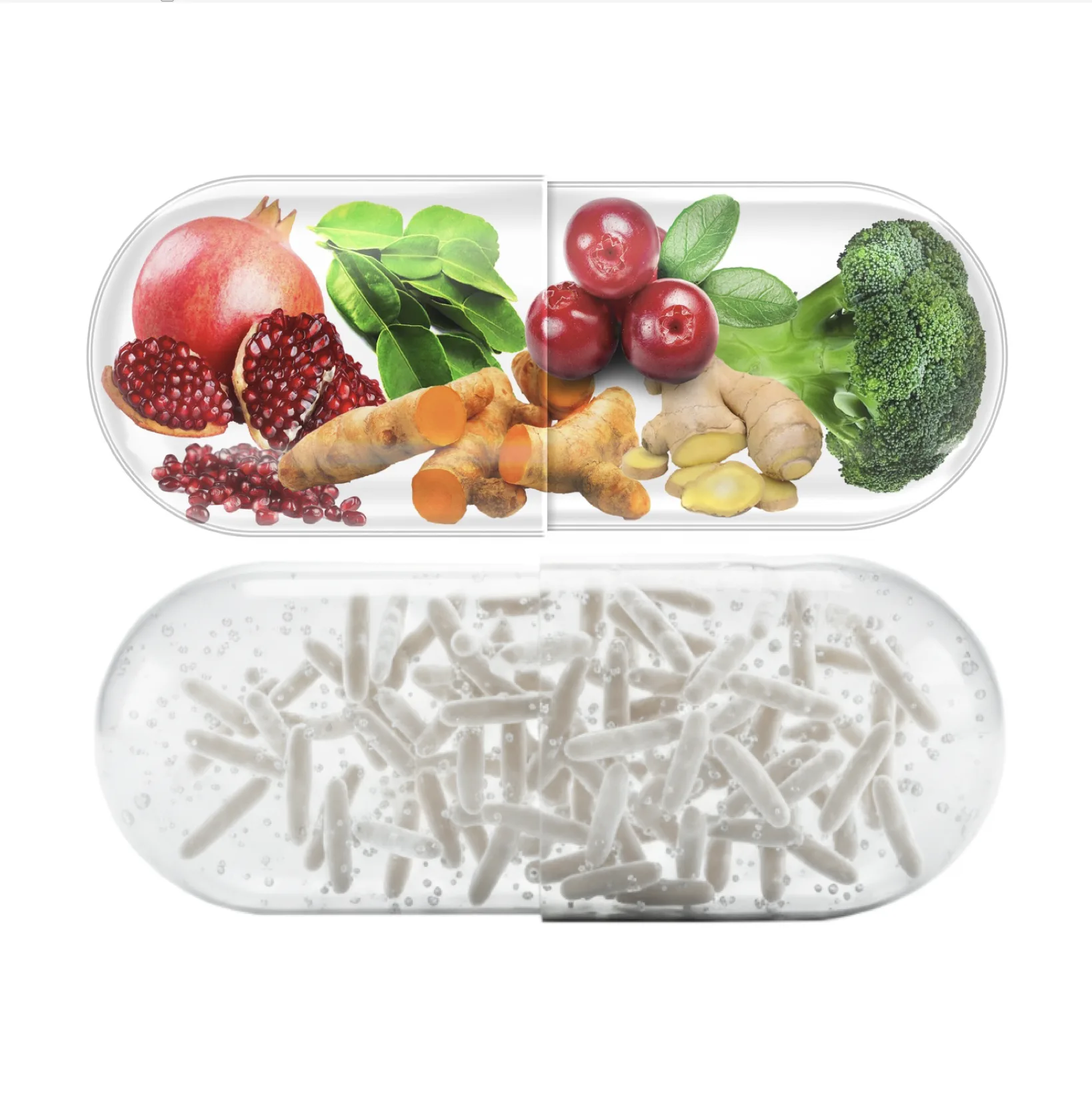 In fact, a well designed turmeric containing supplement can be a useful way to boost beneficial nutrients across the day For example, as well as the menopause study mentioned above, YourPhyto was evaluated in a large national double blind randomised trial involving 208 participants. Its publication in the European Cancer Journal reported a significant slowing of prostate cancer progression, measured on MRI and blood markers (PSA). Relevant to women, a sub analysis published in the International Journal of Longevity reported it improved urinary symptoms, reduced markers of inflammation, improved strength, libido and wellbeing [10]. A further randomised trial is now being designed at UCLH this with the probiotic blend called Yourgutplus for women experiencing menopausal symptom either naturally or induced by hormonal treatments or chemotherapy.
Written by Prof Robert Thomas Consultant Breast Cancer Oncologist and Head of Integrative Oncology at UCLH
References:
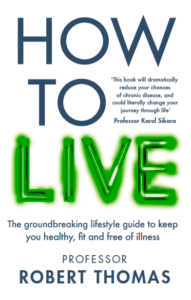 Thomas R (2022) How to live Short Books online
Aboushanab T et al (2026). Anticancer Molecular Mechanisms of Curcuminoids: An Updated Review of Clinical Trials. Food Science & Nutrition, 14(2), e71452. https://doi.org/10.1002/fsn3.71452
Thomas R et al Increasing Phytochemical-rich Foods and Lactobacillus Probiotics in Men with Low-risk Prostate Cancer—A Randomised, Double-blind, Placebo-controlled Trial. Euro Urology Oncology, 2025, doi.org/10.1016/j.euo.2025.10.003
Arslan, A et al. (2022). The golden spice curcumin in cancer: A perspective on finalized clinical trials during the last 10 years. Journal of Cancer Research and Therapeutics, 18(1).
Hajigholami S, et al (2018). Nano Packaged Tamoxifen and Curcumin; Effective Formulation against Sensitive and Resistant MCF-7 Cells. Iran J Pharm Res. 2018 17(1):1-10.
Jiang M, et al (2013) Curcumin induces cell death and restores tamoxifen sensitivity in the antiestrogen-resistant breast cancer cell lines MCF-7/LCC2 and MCF-7/LCC9. Molecules. 2013 8;18(1):701-20.
Saberi H . et al. Association between biomarkers of tissue inflammation and progression of osteoarthritis: evidence from the Rotterdam study cohort. Arthritis Res. Ther. 18, 81 (2016).
Shen CL et al (2012). Dietary polyphenols and mechanisms of osteoarthritis. The Journal of Nutritional Biochemistry. 23(11): 1367-1377. https://pubmed.ncbi.nlm.nih.gov/22832078/
Yanagisawa Y et al (2021) The effect of boosting polyphenol intake for women’s cancer survivors on arthralgia, mood and hot flushes – a pilot real World evaluation., J Nurs Women’s Health 5: 168. DOI: 10.29011/2577-1450.100068
Hussaarts K et al Impact of Curcumin (with or without Piperine) on the Pharmacokinetics of Tamoxifen. Cancers (Basel). 2019 Mar 22;11(3):403.
Lazzeroni M, et al. LOw dose tamoxifen A 10-Year Follow-Up of TAM-01 Study J Clin Oncol. Epub March 14, 2023.
Thomas, R.et al. The Effect of Boosting Dietary Lactobacillus and Phytochemical Rich Foods on Biomarkers of Longevity—A Phase II Randomised Placebo Controlled Trial. J. Ageing Longev. 2026, 6, 35. https://doi.org/10.3390/jal6020035


Leave A Comment