

Lifestyle can help prevent or delay the onset of dementia, whatever the cause. The earlier you start looking after your brain, the better as, once dead, neurones do not grow back. In fact, the peak number of healthy brain cells (neurones) is when you are in your early twenties. That’s not to say it’s not worth it. On the medical side it is obviously worth controlling blood pressure, sugar and cholesterols levels. Lifestyle strategies have also been proven to definitely help you keep the neurones you have and help you strengthen other bodily functions which can support you daily abilities and keep you independent for longer.
There are lot of trials showing that dietary and lifestyle interventions can reverse amyloid plaques – the hallmark of Alkzeimher’s disease and significantly slow or even stop progression of cognitive decline. There are ones with most evidence:
.
Physical exercise:

Regular daily physical activity increases oxygen to the brain and also gets people out of the house, giving them a change of environment and providing visual, social and intellectual stimulation. Numerous studies have shown exercise to be one of the most successful interventions when it comes to delaying the progression of dementia. Based on the limited data on how much exercise is beneficial, it seems that 50 minutes a day of moderate aerobic activity, such as brisk walking, riding a bike or pushing a lawnmower is needed, along with at least an hour and a half of more vigorous aerobic activity, a week such as such as jogging, fast swimming or riding a bike up a hill or take part in activities that are both aerobic and resistance, such as football, running, netball or circuit training.
Group exercise activities: It is vital that people with early cognitive issuesstay as active as they can socially. Taking part in meaningful activities such as walking football, music, singing or art is enjoyable and leads to increased confidence and self-esteem.
 Brain exercise:
 Brain exercise:
Social interactions help stimulate the mind, especially when engaging in interesting conversation. Learning something new or writing in a diary will enable you to think more creatively, help your memory and enhance your ability to make logical connections. Various brain exercise tools are now available commercially, ranging from crossword and Su Doku books to electronic brain-teaser gadgets. Imagination exercises have been shown to improve brain power and can be performed anywhere. Imagine different rooms of the house and how they would look if decorated differently or, while looking out of the window, try to imagine how it would look during different seasons or when covered with snow. You can do this while taking a walk or running on a treadmill – you will be exercising your mind and body at the same time.
Intermittent fasting and ketogenic diets
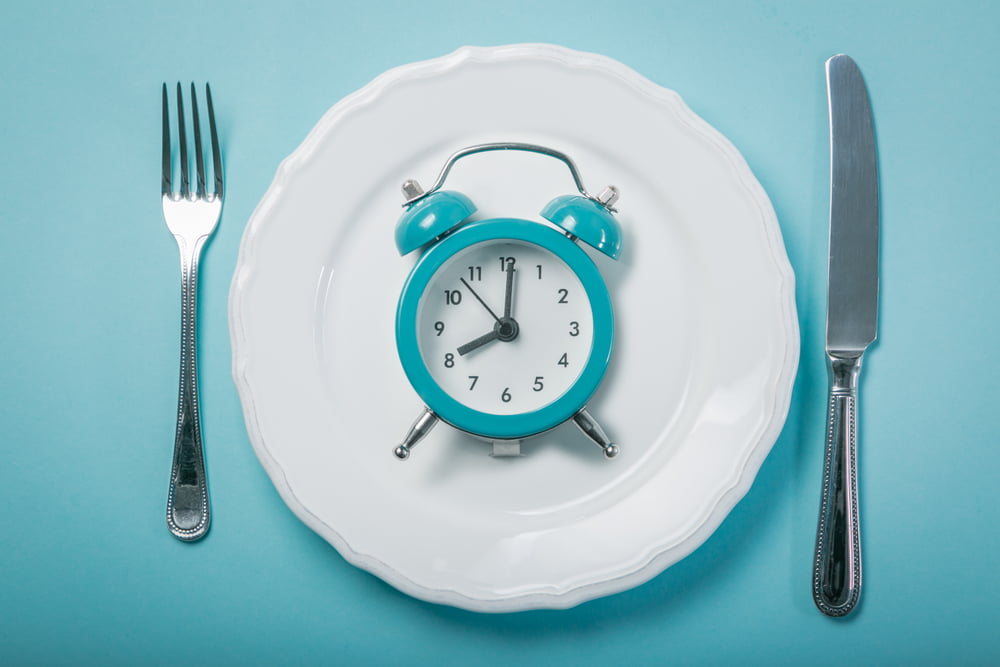
One laboratory study, involving mice that had been genetically engineered to develop changes in brain tissue similar to those seen in people with Alzheimer’s disease, saw those which given intermittent fasting experience a slower rate of cognitive decline than those on a normal diet. Experts, such as Professor Longo and Professor Thomas feel that the best results are seen with Fasting mimicking, for 24 hours once a week with a day day fast once a month ... read more
Ketogenic diets: Drug-resistant epilepsy, but current studies indicate possible neuroprotective effects. Thus far, only a few studies have evaluated the role of the ketogenic diet in the prevention of Parkinson’s disease (PD) and Alzheimer’s disease (AD). Single studies with human participants have demonstrated a reduction of disease symptoms . Most of this benefit would have come from reducing high glycaemic index foods. There are concerns that as people with dementia have issues with maintaining weight so his diet may add a nutritional burden especially if they start dropping fruit and vegetables. In conclusion – not recommended
Reduce alcohol intake and stop smoking:
Even in moderation, it’s best to avoid alcohol if you have established cognitive impairment. We are all aware of the ‘thick head’ that occurs with even the mildest of hangovers. When meeting up with friends, if they really want to help, suggest the gym or going for a walk rather than the pub. Stopping smoking obvious – tips to quit
 Healthy fats:
 Healthy fats:
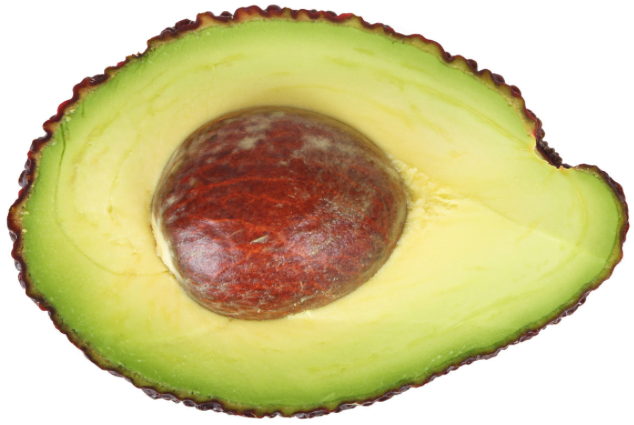
A large proportion of the supportive fats in the brain is made up of omega 3 and omega 6 fats. A number of studies have confirmed that boosting diets rich in these fats help prevent or delay dementia. There is less evidence to say that taking a supplement after the onset of dementia helps but if an individual do not eat much fish, there may be a role. In the meantime, this is another good reason to increase omega 3 and other healthy fats rich foods:
- oily fish, other seafood
- chai seeds, flax seeds and avocado in your diet.
- Avocado and other omega 6 rich vegetables
- Whole grains unless gluten intolerant
- Cold pressed olive oil
 Plant nitrate rich foods
 Plant nitrate rich foods
Nitrates in plants, unlike form meats, are converted to nitric oxide (NO) which help with blood flow hence are recommended for people with dementia, or early cognitive disorders. They tend to also have healthy phytochemicals. Berries, pomegranates, beetroot and celery are good sources of nitrates. A good tip would be to juice a bunch of celery sticks with a bit of ginger and turmeric and a squeeze of lemon every day.
Gut health
It is well established that there is strong gut – brain axis. Looking after the healthy bacteria in the gut can help fatigue, insomnia, and cognitive decline. People with poor gut health are more prone to catching viral infections such as covid, and in the longer term have an increased risk of osteoporosis, dementia, cancers elsewhere in the body, arthritis, raised cholesterol, heart disease and diabetes. Try to eat some Kimchi every day and consider making your own water kefir. Detailed lifestyle and dietary tips to enhance gut health can be found on this website but in a nut shell these include:
- Exercising regularly
- Avoid snacking between meals or late at night
- 13 hours fast overnight
- Eating less Ultra Processed Foods (UPF) from meat or cheap plant substitutes
- Reducing alcohol intake – especially beer and spirits
- Reducing processed sugar or highly processed carbohydrates such as white bread
- Avoiding artificial sweeteners or additives in ultra-processed foods
- Eating prebiotic rich beans, artichokes, mushrooms, fruit, vegetables and nuts
- Eating fermented probiotic rich yoghurts (kefir), water kefir, miso, tempeh, kimchi & sauerkraut
Probiotics and prebiotic supplements: Although emphasis should be always be on dietary and lifestyle measures to improve gut health, certain probiotic supplement can be a useful way boost the intake of the beneficial “friendly” bacteria. There are a lot of misconceptions, however, about their safety and effectiveness and many patients are told to avoid them. Millions of people around the world regularly consume probiotics with few adverse events. There are only rare instances of excess small bowel bacterial overgrowth and a large French and two large Italian and finish studies concluded the risk of lactobacillemia as ‘unequivocally negligible’, at <1 case per million individuals. Lactobacillus probiotics have been safely administered to immunocompromised patients with HIV or receiving chemotherapy, suffers of long covid, the elderly and patients with Crohn’s disease, without any side-effects, provide further evidence of poor opportunistic pathogenicity. Probiotics have even been administered to patients who are severely ill in intensive care and thousands of new born infants, including some who were premature, without a single case of sepsis. With these data in mind it would be sensible to stick to lactobacillus rather than more complex blends, as these have the most data on their safety and effectiveness. The Yourgutplus blend of 5 lactobacillus combined with prebiotic inulin and Vitamin D is currently the most researched blend internationally, chosen for 3 large nutritional intervention studies and the longevity study combined with Yourphyto as well as two Covid studies a Covid vaccine study so has an excellent track record.
 Vitamin D and cognitive decline
 Vitamin D and cognitive decline
Low vitamin D is linked to a higher risk of a number of cancers and a higher risk of relapse. Chronically low levels are also linked to fatigue, lower mood, lower immunity and infections such as covid and in the long term cognitive issues, osteoporosis, cognitive decline and heart disease. Regular sensible sun exposure is the best way to maintain healthy levels- difficult in the darker months unless you invest in a winter sunny holiday which is why most people in the UK are known to be deficient.
Vitamin D supplements of around 1-200 iu especially in the darker months, would be sensible There are lots of brands available over the counter but recent evidence has shown that vitamin D combined with a probiotic enhances both its absorption and utilisation (eg Yourgutplus). Taking extra calcium with vitamin D (e.g Adcal) is usually not recommended, provided you have some calcium rich kefir, cheese, nuts, seeds and oily fish in the diet, even if taking an drug like letrozole. Two BMJ overviews showed extra calcium tablets don’t help osteoporosis and could increase heart artery calcification, provided you are not taking bone hardening drugs, such as alendronic or ibandronic acid. Likewise, vitamin K2 is not necessary provided you have an adequate intake of foods such as seaweed, mature cheese such as stilton, grass-fed animal products, fermented foods such as kimchi and sauerkraut.
Fruit, cruciferous vegetables and other phytochemical rich foods:
Plants and spices are a rich source of vitamins, minerals, prebiotic fibres and healthy natural compounds called phytochemicals. These provide natural colour, taste and aroma, but also help to reduce excess inflammation, improve antioxidant pathways and boost gut flora, which explains why their higher intake helps the brain. Try to eat more phytochemical rich foods:
- Raw leafy greens and cruciferous vegetables
- Herbs such as turmeric and tea especially green tea
- Blueberries particularly blueberries and blackberries
- Beans and other legumes, Unsalted nuts
- Beetroot, celery, pomegranate,
- Dark sugar free chocolate-lifestyle tips
 Phytochemical rich food supplements: A well designed supplement can be a useful way to boost beneficial nutrients across the day but you have to be careful. Of the hundreds of types on the market, most have not been evaluated in formal clinical studies, with some notable exceptions. Between 2024-26, the research group at Bedford and Addenbrooke’s Cambridge University Hospitals, evaluated a nutraceutical which contain both whole concentrated foods and fortified extracts of organic ginger, turmeric, green tea, broccoli, cranberry, and pomegranate. They found, especially if combined the probiotic Yourgutplus, it improved urinary symptoms, reduced markers of inflammation, improved strength, libido and wellbeing. Being a robust, ethically approved Randomised Controlled Trial, the results were welcomed by scientific communities across the World’s – presented at ASCO USA, published in the European Cancer Journal and the International Journal of Longevity. The product (now known as YourPhyto), is now available to the public.
 Other measures to reduce chronic inflammation: For individuals who are also overweight, particularly with metabolic syndrome it would be worth slimming down. Dental caries or gum disease can risk chronic inflammation so it’s a good idea your teeth checked out regularly. Try to eliminate pro inflammatory toxins. There is an increasing body of evidence to show that cold water immersion can help improve immunity, elevate mood, reduce hormonal type symptoms, joint stiffness and reduce excess inflammation. Research suggests 1-2 minutes cool is enough to gain a benefit, especially if the face is included. Other studies have shown similar benefits for hot and cold showers or saunas. More recently microplastics have been shown to cause a lot of issues in the body including increasing inflammation and damaging vital hormonal pathways.
 Other vitamin supplement: Eating citrus fruit, seeds, nuts and vegetables will ensure adequate intake of most vitamins. High doses of vitamin C has no extra advantages in people with normal levels. A vitamin B12 supplement will help those who are vegetarian. Marmite is a good source of many vitamin B’s. Unless known to be deficient, it would be best to avoid A or E in a supplement form as, although, deficiency of vitamin A and E is still common in developing countries, in the west, this is rare. Of more concern, a number of studies giving vitamin E and A have actually reported an increased risks. This is due to their direct antioxidant properties which can override oxidative pathways as opposed to natural phytochemicals which improve antioxidant and immune efficiency. It would be better to obtain vitamin E and A in nuts, carrots, pumpkin seeds and oily fish as opposed to supplements.
Dietary minerals:
These are essential for hormone and enzyme production including those used for anti-oxidant defences. They cannot be made by the body and therefore need to be ingested. Intensive farming, lack of food diversity and over-cleaning are depleting many minerals from our foods and some, such as iodine, are now commonly deficient in our diet, leading to thyroid disorders, cognitive impairment and fatigue. As well as oysters, clams, fish and seaweed, minerals can be found in nuts, pumpkin seeds and berries.
Mineral supplements: Many people take individual minerals such as magnesium, selenium or Zinc – this does not really make sense and it’s a lot cheaper and efficient to take all the essential mineral in one blend. The mineral often over looked is iodine which is frequently deficient amoung individuals who don’t regularly shell fish or seaweed. If you don’t eat these foods, nuts, leafy green vegetables or pumpkin seeds, a multi-mineral supplement with iodine, such as PhytoMineral, would be sensible.
 Sleep:
 Sleep:
Insomnia is common after a cancer and during menopause for several psychological and physical reasons, often not helped by ongoing medications. Lack of sleep can lead to fatigue, brain fog, de-motivation to exercise and undertaking healthy living programmes and cognitive decline. In the longer term, the emphasis should be on sleep hygiene, exercise to improve circadian rhythm, natural ways to improve mood, relax and melatonin levels with specific foods such as citrus fruits, pomegranate, resveratrol, turmeric and chamomile (See: Keep-healthy.com/sleep)
Sleeping supplements: Melatonin tablets, can be prescribed by GP’s in the UK and available OTC in other countries, can help in the short term in the short-term but are not recommended for long term use. Magnesium only helps people who have an underlying deficiency so taking more than needed does not help, Also it would be better to take all the essential minerals as mentioned above. Over-the-counter ‘sedating’, remedies such as decongestants, anti-histamines and valerian can help for a few days but their during of benefit gets shorter the longer they are taken, then it’s hard to withdraw from taking them. The ingredients of a non-sedating supplement called “PhytoNight“ benefited men and women in a large long covid trial as it contains citrus biofloavones, pomegranate, resveratrol, turmeric and chamomile known for their mood, relaxation, melatonin and relaxation enhancing properties. Interestingly, people using sleep recording devices such as watches or ring report it particularly helped to achieve helpful deep and REM sleep. What’s more because it is non-sedating it can be taken in the middle of the night for those who wake up after getting to sleep well.
 Medicinal mushrooms:

These are the subject of a lot of recent interest but they have been used for thousands of years. They are good source of plant protein, minerals, fibre, vitamins, phytochemicals, prebiotic fibres and compounds called polysaccharides such as β-glucans and which can directly enhance gut health, and studies are underway to see if their laboratory anti-dementia effects can be seen in humans. Health claims include reducing the risk of allergy, cancer, diabetes, infection and inflammation and improving digestion, mood, mental alertness, arthralgia, sports performance, brain function and energy levels. Reishi, Cordyceps, Lion’s Mane and Maitake varieties have particularly been shown to reduce joint stiffness, improve motivation and alertness and revive a flagging sex drive.
 Medicinal mushroom supplements: If you are keen to try these in supplement form, it would be better to take a broad spectrum blend such as YourFungi rather than high doses of one particular variety. This supplement includes concentrated blends of those mushrooms mentioned above and others. It is also made in the UK with a very high quality assurance.
In Summary:
Lifestyle interventions have certainly been shown to help slow decline and reverse protein plaques called amyloid. Do as much as to can but don’t get over paranoid and stress is also not healthy.
On top of diet, juicing, intermittent fasting and exercise the following supplements it would be best to avoid rare herbs or extracts of herbs which could have too high an antioxidant effect. Instead this combination will give a you a wider variety of healthy bacteria, vitamin D, phytochemicals, mushroom polysaccharides, essential mineral including iodine and sleep enhancing herbs which significantly contribute to supporting your help help strategies:
- Yourgutplus x2/ day... read more
- YourFungi x2 / day ..read more
- YourPhyto x2/day ..read more
- Phytomineral x1/day… read more
- PhytoNight – if not sleeping well .. read more



Leave A Comment