

Another repurposed diabetic drug may help prostate cancer
The latest news on dapagliflozin – a SGLT2 inhibitor
A new study has revealed that a class of medication called SGLT2 inhibitors used for diabetes may help slow prostate cancer progression in men receiving hormone treatment (1).
These medications include drugs such as dapagliflozin and empagliflozin. The study suggests that men with prostate cancer who took these drugs while on hormone therapy may have had better cancer control than those using other diabetes treatments.
 What did the study examine?
 What did the study examine?
The researchers analysed health records from the Hong Kong Hospital Authority. They identified 14,223 men with prostate cancer who started hormone therapy, also known as androgen deprivation therapy (ADT). The men were followed for a median of about 5½ years, and their average age was 74 years.
What were the main findings?
Compared with men using other diabetes medications:
-
Men who took SGLT2 inhibitors had a 37% lower risk that hormones stopped working.
-
They had a 56% lower risk that newer prostate cancer drugs would later fail.
-
The benefits appeared similar for different SGLT2 inhibitors
How did other diabetes drugs compare?
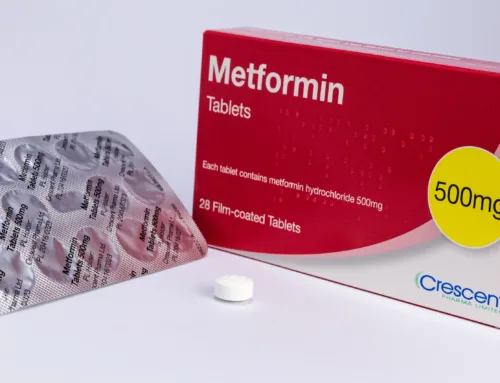
The study also looked at metformin, another common diabetes drug:
-
Metformin did not appear to slow prostate cancer progression.
-
Men taking metformin, with diabetes, lived longer overall, supporting previous data
Medication that has both dapagliflozin and metformin in one tablet, has the brand name Xigduo, in terms of cancer this was not any better than either alone.
Why might SGLT2 inhibitors help?
The exact reason isn’t clear yet. Laboratory studies suggest these drugs may affect how cancer cells use energy, reduce insulin-related growth signals, or lower inflammation in the body—all of which could potentially slow cancer growth. However, these ideas have not been proven in patients.
 What does this mean for patients?
 What does this mean for patients?
Because this was an observational study, it cannot prove that SGLT2 inhibitors directly caused better cancer outcomes. Other factors—such as which patients were prescribed certain drugs—may still influence the results. Even so, the findings raise an interesting possibility: some diabetes medications might also support prostate cancer treatment when used alongside hormone therapy.
This data re-enforces lifestyle strategies to reduce the risk of diabetes such as exercise, having a normal weight and avoiding sugary processed foods. It would would be interesting to see how these drugs compare to more other more freely available nutritional strategies for prostate cancer which have been proven to slow cancer progression in the active surveillance setting such as YourPhyto and YourgutPlus (2)
What’s next?
The authors stress that clinical trials are needed to confirm whether SGLT2 inhibitors truly improve prostate cancer outcomes and to ensure they are safe and effective for this purpose. In the mean time, it would be better to concentrate on lifestyle and nutritional factors which can help both diabetes and cancer
References:
Shi R et al. Sodium-Glucose Cotransporter 2 Inhibitors for Patients With Prostate Cancer Undergoing Hormone Therapy. JAMA Oncol. 2026; doi:10.1001/jamaoncol.2025.5869
R J. Thomas, S A. Kenfield, R U. Newton, J Aldous. Increasing Phytochemical-rich Foods and Lactobacillus Probiotics in Men with Low-risk Prostate Cancer—A Randomised, Double-blind, Placebo-controlled Trial. Euro Urology Oncology, 2025, https://doi.org/10.1016/j.euo.2025.10.003


Leave A Comment